
 KR
KR





















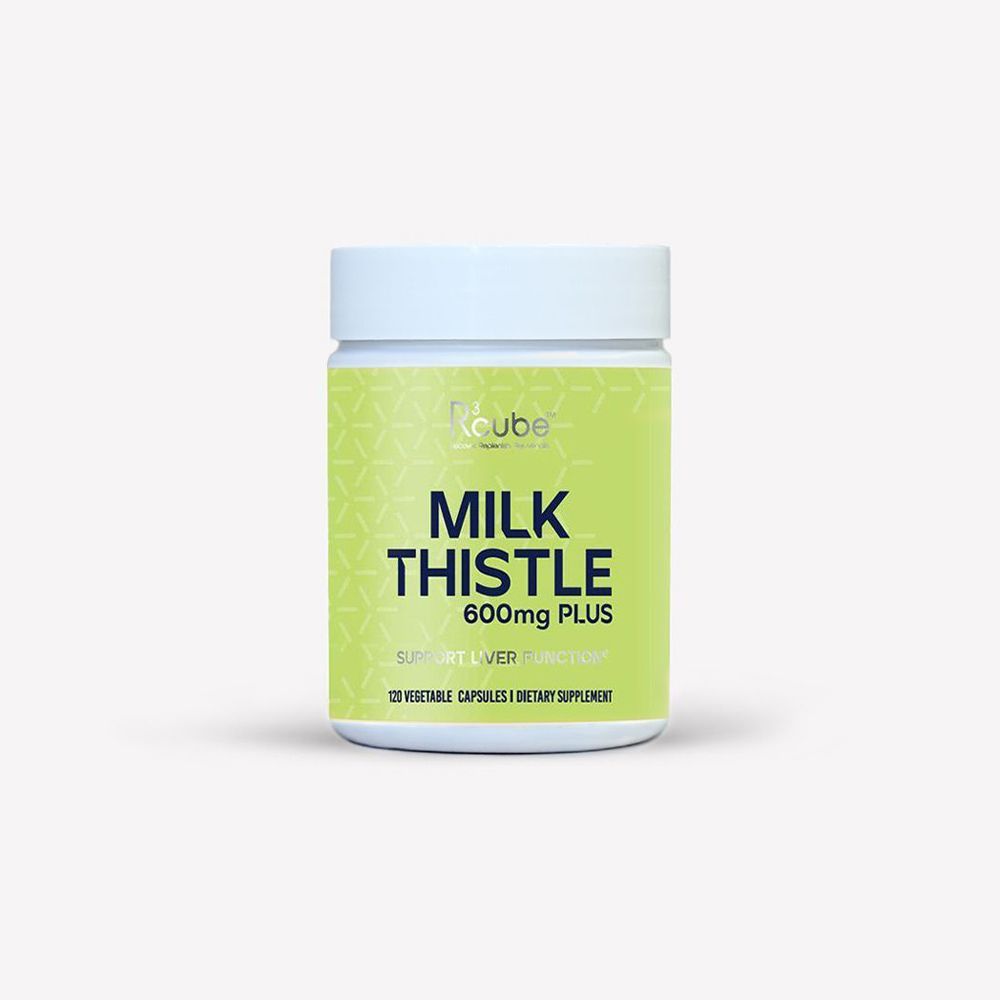
R3 Milk Thistle (120 vcaps)
R3’s Finest Liver Health Nutrition!
R3 Milk Thistle Plus!
Features
-
Milk Thistle, an Ancient Remedy
Milk thistle has long been known as a symbol of liver health since ancient times. Its benefits include supporting liver function and potentially protecting you from various conditions such as cancer, seasonal allergies, indigestion, and diabetes. -
Reduced Fat Accumulation
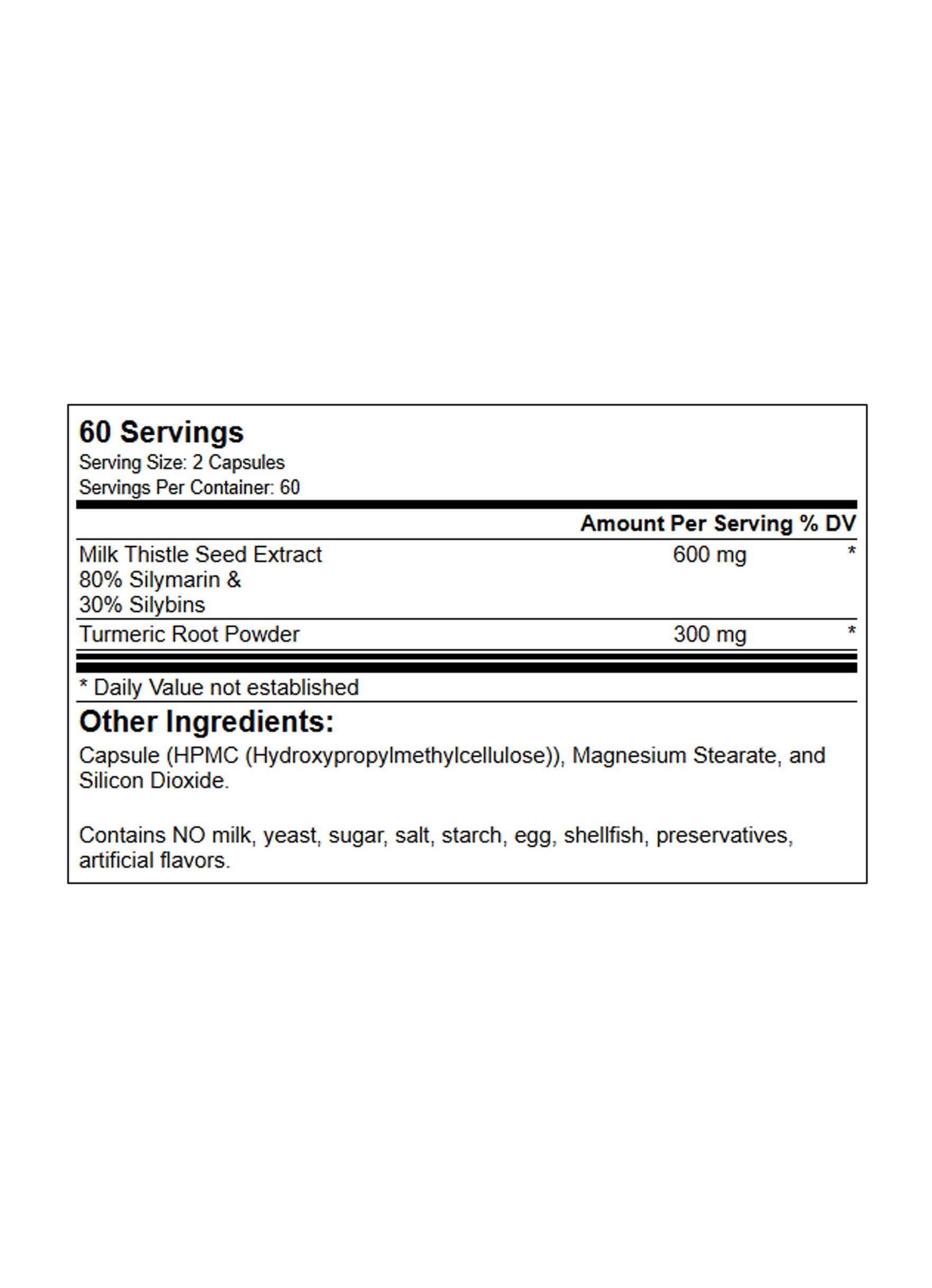
The core compound of milk thistle, silymarin, reduces harmful substances in the body—specifically, xanthine oxidase—and weakens the activity of enzymes that generate fat. This helps decrease triglyceride accumulation in cells, including liver cells. R3’s milk thistle contains a high concentration of silymarin. -
Maintaining Cardiovascular Health
The key ingredient in R3 Milk Thistle, turmeric, contains curcumin, which is known to regulate cell growth and reproduction and support healthy lipid endothelium. As a result, it helps lower the risk of cardiovascular diseases. -
Antioxidant Properties
By reducing the activation of cytokines, which can trigger inflammation, this powerful antioxidant helps protect organs and improve overall health. -
Supports Healthy Skin and Liver
It helps maintain healthy skin cells, minimizing the occurrence of acne, and increases protein synthesis to aid in regenerating liver tissue.

History of R3
R3 is a specialized nutrition company founded with the primary goal of promoting human health.
From manufacturing to inspection to sales, R3 operates with complete transparency and employs multiple layers of checks—twice, thrice—to deliver the highest quality nutritional and supplemental products right to your doorstep.
Guided by a philosophy that prioritizes human health over profit, R3’s carefully crafted products embody that spirit. You can discover and experience R3’s philosophy at the MonsterZym store.
TAKE 1 SERVING (2 CAPSULES) DAILY
WITH MEALS OR AS DIRECTED BY YOUR HEALTH CARE PRACTITIONER.
* Milić N, Milosević N, Suvajdzić L, Zarkov M, Abenavoli L. New therapeutic potentials of milk thistle (Silybum marianum). Nat Prod Commun. 2013 Dec;8(12):1801-10
* Bakhshaee M, Jabbari F, Hoseini S, Farid R, Sadeghian MH, Rajati M, Mohamadpoor AH, Movahhed R, Zamani MA. Effect of silymarin in the treatment of allergic rhinitis. Otolaryngol Head Neck Surg. 2011 Dec;145(6):904-9. doi:10.1177/0194599811423504.
* Kuttan, R., Bhanumathy, P., Nirmala, K., & George, M. C. (1985). Potential anticancer activity of turmeric (Curcuma longa). Cancer letters, 29(2), 197-202.
* Apisariyakul, A., Vanittanakom, N., & Buddhasukh, D. (1995). Antifungal activity of turmeric oil extracted from Curcuma longa (Zingiberaceae). Journal of ethnopharmacology, 49(3), 163-169.
Chattopadhyay, I., Biswas, K., Bandyopadhyay, U., & Banerjee, R. K. (2004). Turmeric and curcumin: Biological actions and medicinal applications. Curr Sci, 87(1), 44-53.
* Negi, P. S., Jayaprakasha, G. K., Jagan Mohan Rao, L., & Sakariah, K. K. (1999). Antibacterial activity of turmeric oil: a byproduct from curcumin manufacture. Journal of Agricultural and Food Chemistry, 47(10), 4297-4300.
* Bundy, R., Walker, A. F., Middleton, R. W., & Booth, J. (2004). Turmeric extract may improve irritable bowel syndrome symptomology in otherwise healthy adults: a pilot study. Journal of Alternative & Complementary Medicine, 10(6), 1015-1018.
* Ramadan, G., & El‐Menshawy, O. (2013). Protective effects of ginger‐turmeric rhizomes mixture on joint inflammation, atherogenesis, kidney dysfunction and other complications in a rat model of human rheumatoid arthritis. International journal of rheumatic diseases, 16(2), 219-229.
* Ramadan, G., Al-Kahtani, M. A., & El-Sayed, W. M. (2011). Anti-inflammatory and anti-oxidant properties of Curcuma longa (turmeric) versus Zingiber officinale (ginger) rhizomes in rat adjuvant-induced arthritis. Inflammation, 34(4), 291-301.
Product Description
R3’s Finest Liver Health Nutrition!
R3 Milk Thistle Plus!
Features
-
Milk Thistle, an Ancient Remedy
Milk thistle has long been known as a symbol of liver health since ancient times. Its benefits include supporting liver function and potentially protecting you from various conditions such as cancer, seasonal allergies, indigestion, and diabetes. -
Reduced Fat Accumulation
The core compound of milk thistle, silymarin, reduces harmful substances in the body—specifically, xanthine oxidase—and weakens the activity of enzymes that generate fat. This helps decrease triglyceride accumulation in cells, including liver cells. R3’s milk thistle contains a high concentration of silymarin. -
Maintaining Cardiovascular Health
The key ingredient in R3 Milk Thistle, turmeric, contains curcumin, which is known to regulate cell growth and reproduction and support healthy lipid endothelium. As a result, it helps lower the risk of cardiovascular diseases. -
Antioxidant Properties
By reducing the activation of cytokines, which can trigger inflammation, this powerful antioxidant helps protect organs and improve overall health. -
Supports Healthy Skin and Liver
It helps maintain healthy skin cells, minimizing the occurrence of acne, and increases protein synthesis to aid in regenerating liver tissue.
History of R3
R3 is a specialized nutrition company founded with the primary goal of promoting human health.
From manufacturing to inspection to sales, R3 operates with complete transparency and employs multiple layers of checks—twice, thrice—to deliver the highest quality nutritional and supplemental products right to your doorstep.
Guided by a philosophy that prioritizes human health over profit, R3’s carefully crafted products embody that spirit. You can discover and experience R3’s philosophy at the MonsterZym store.
Product Details
TAKE 1 SERVING (2 CAPSULES) DAILY
WITH MEALS OR AS DIRECTED BY YOUR HEALTH CARE PRACTITIONER.
* Milić N, Milosević N, Suvajdzić L, Zarkov M, Abenavoli L. New therapeutic potentials of milk thistle (Silybum marianum). Nat Prod Commun. 2013 Dec;8(12):1801-10
* Bakhshaee M, Jabbari F, Hoseini S, Farid R, Sadeghian MH, Rajati M, Mohamadpoor AH, Movahhed R, Zamani MA. Effect of silymarin in the treatment of allergic rhinitis. Otolaryngol Head Neck Surg. 2011 Dec;145(6):904-9. doi:10.1177/0194599811423504.
* Kuttan, R., Bhanumathy, P., Nirmala, K., & George, M. C. (1985). Potential anticancer activity of turmeric (Curcuma longa). Cancer letters, 29(2), 197-202.
* Apisariyakul, A., Vanittanakom, N., & Buddhasukh, D. (1995). Antifungal activity of turmeric oil extracted from Curcuma longa (Zingiberaceae). Journal of ethnopharmacology, 49(3), 163-169.
Chattopadhyay, I., Biswas, K., Bandyopadhyay, U., & Banerjee, R. K. (2004). Turmeric and curcumin: Biological actions and medicinal applications. Curr Sci, 87(1), 44-53.
* Negi, P. S., Jayaprakasha, G. K., Jagan Mohan Rao, L., & Sakariah, K. K. (1999). Antibacterial activity of turmeric oil: a byproduct from curcumin manufacture. Journal of Agricultural and Food Chemistry, 47(10), 4297-4300.
* Bundy, R., Walker, A. F., Middleton, R. W., & Booth, J. (2004). Turmeric extract may improve irritable bowel syndrome symptomology in otherwise healthy adults: a pilot study. Journal of Alternative & Complementary Medicine, 10(6), 1015-1018.
* Ramadan, G., & El‐Menshawy, O. (2013). Protective effects of ginger‐turmeric rhizomes mixture on joint inflammation, atherogenesis, kidney dysfunction and other complications in a rat model of human rheumatoid arthritis. International journal of rheumatic diseases, 16(2), 219-229.
* Ramadan, G., Al-Kahtani, M. A., & El-Sayed, W. M. (2011). Anti-inflammatory and anti-oxidant properties of Curcuma longa (turmeric) versus Zingiber officinale (ginger) rhizomes in rat adjuvant-induced arthritis. Inflammation, 34(4), 291-301.
Reviews (4855)

0 recommended

0 recommended
0 recommended

0 recommended

0 recommended

0 recommended

0 recommended
